Pinhole Photography Workshops
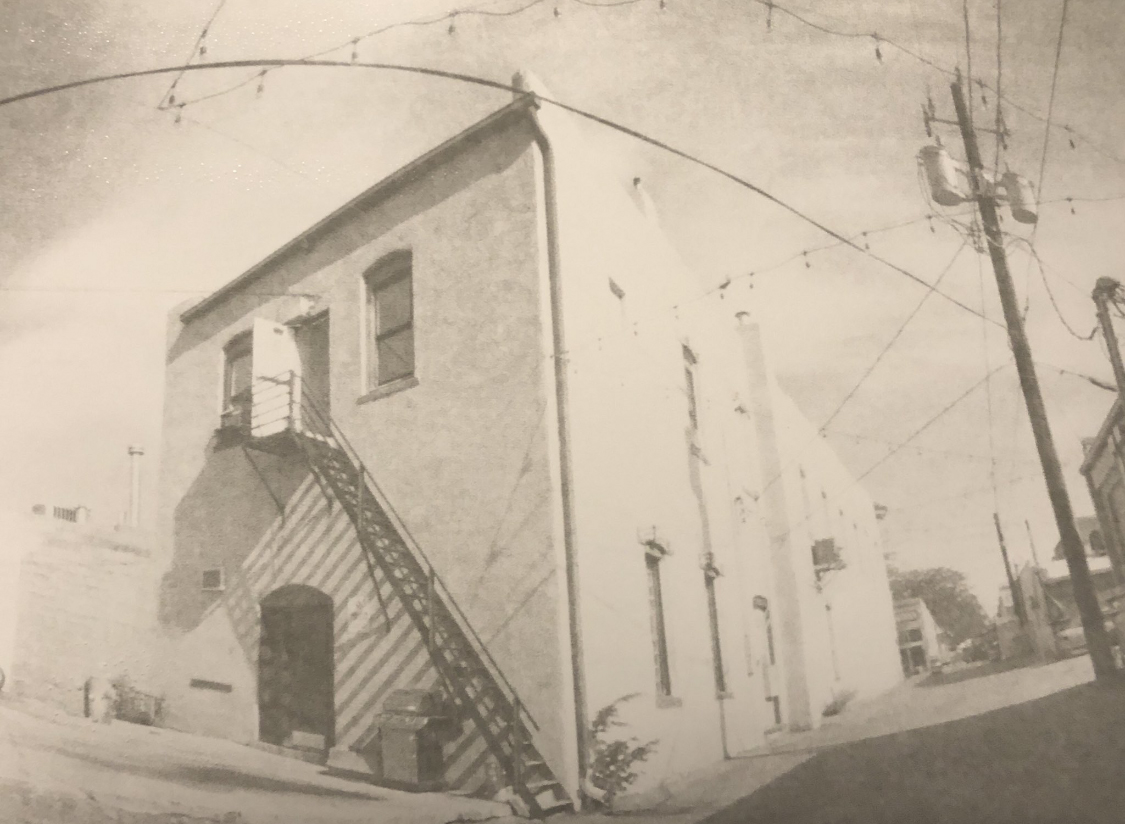
Build your own camera using simple materials. Capture and develop surprising photographs with this lens-less process. Working in a classic photographic darkroom, create paper negatives, and contact print the positive photograph. Direct positive papers offered, (as shown in the image, by Laura Cofrin, 2020), as well as other experimental options. Contact the studio for more information.
Cyanotype Workshop
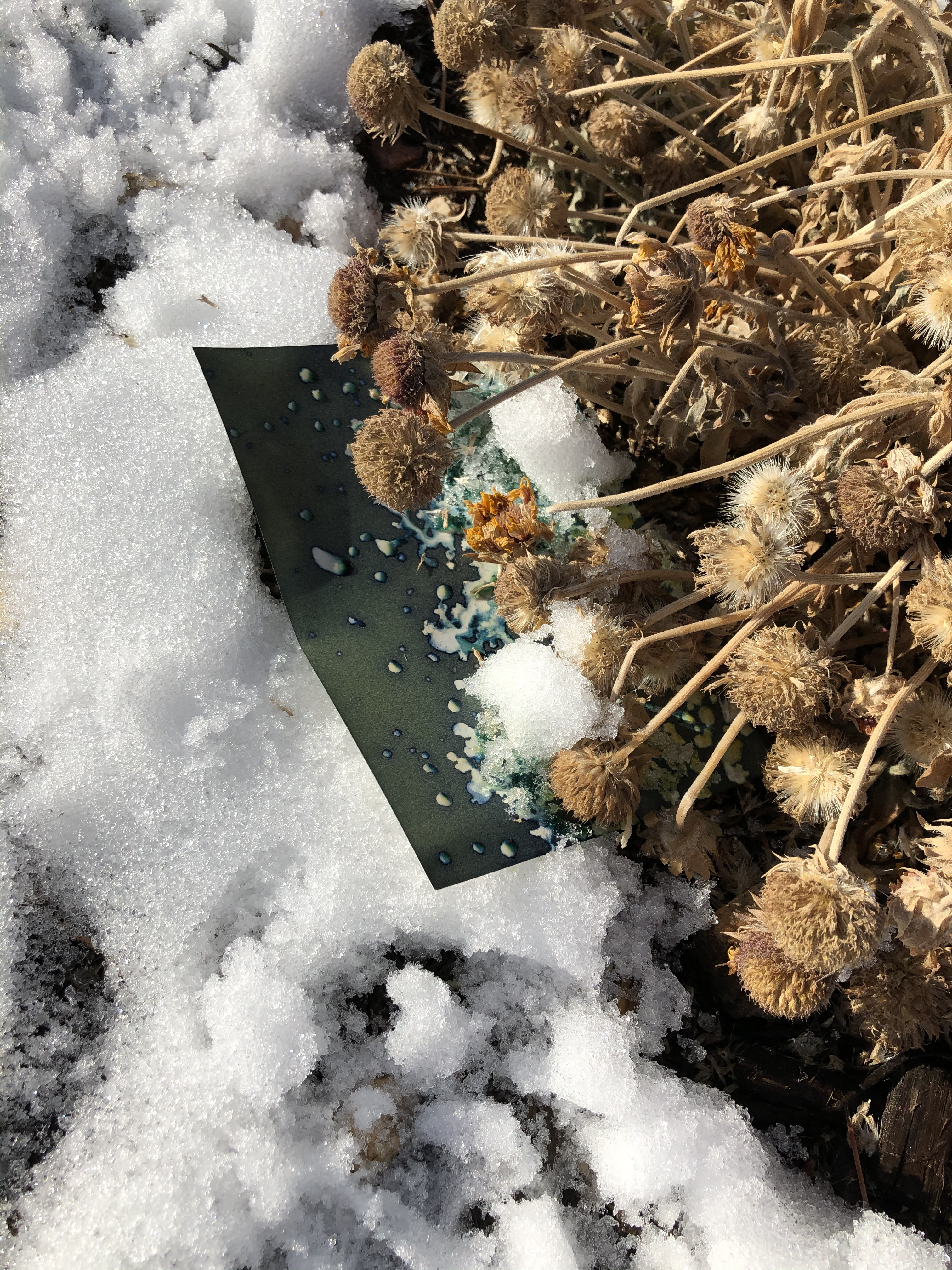
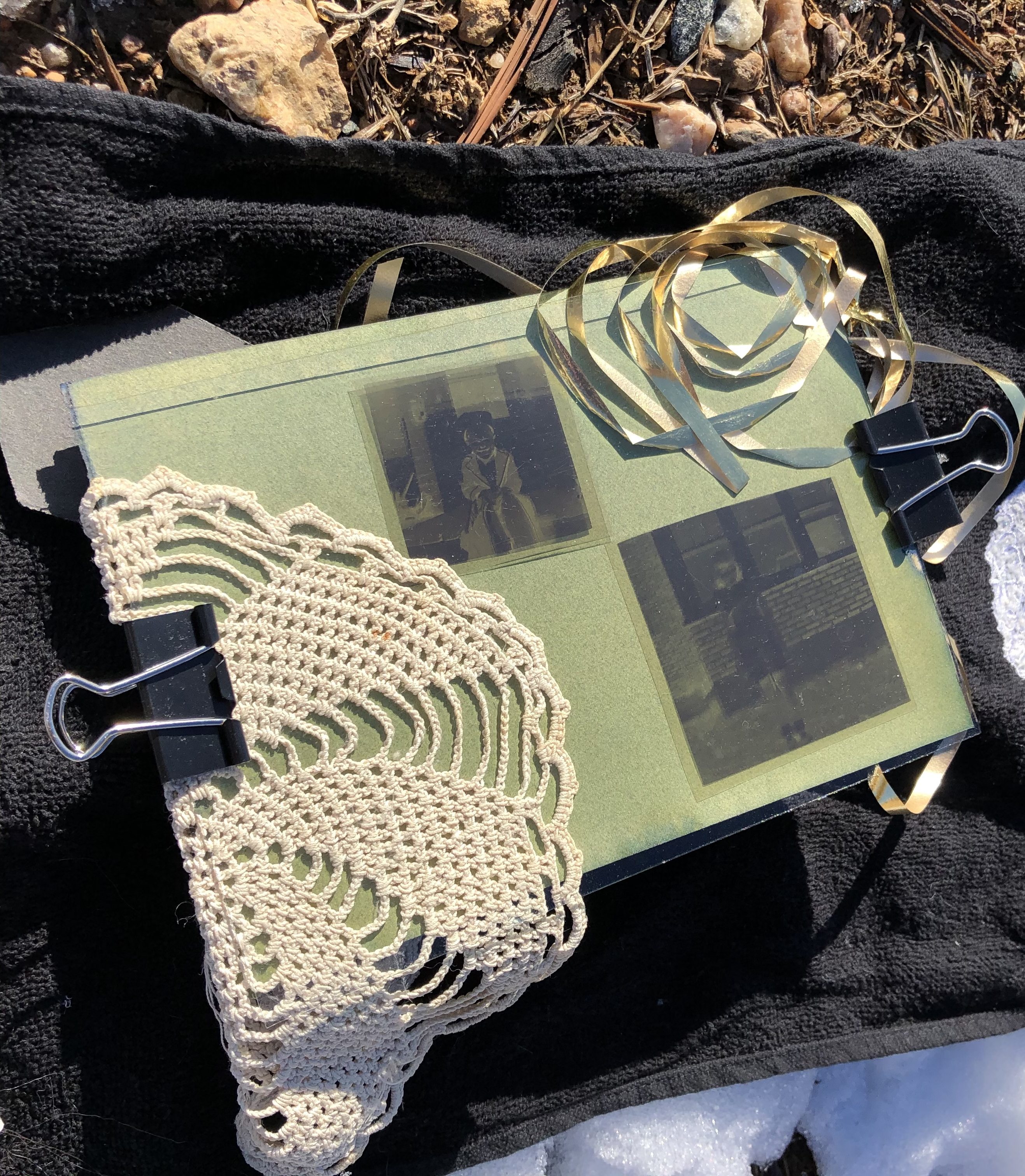
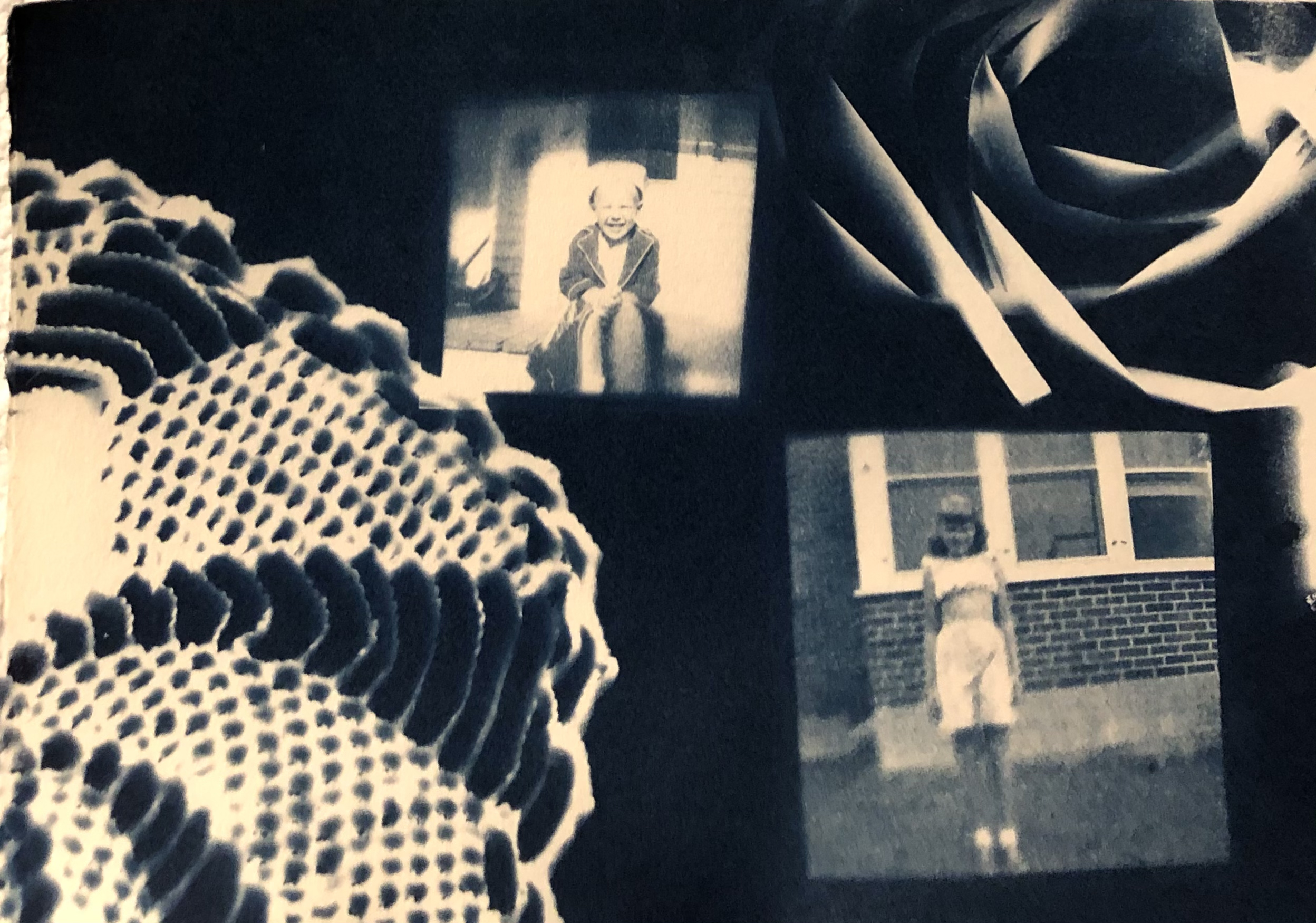
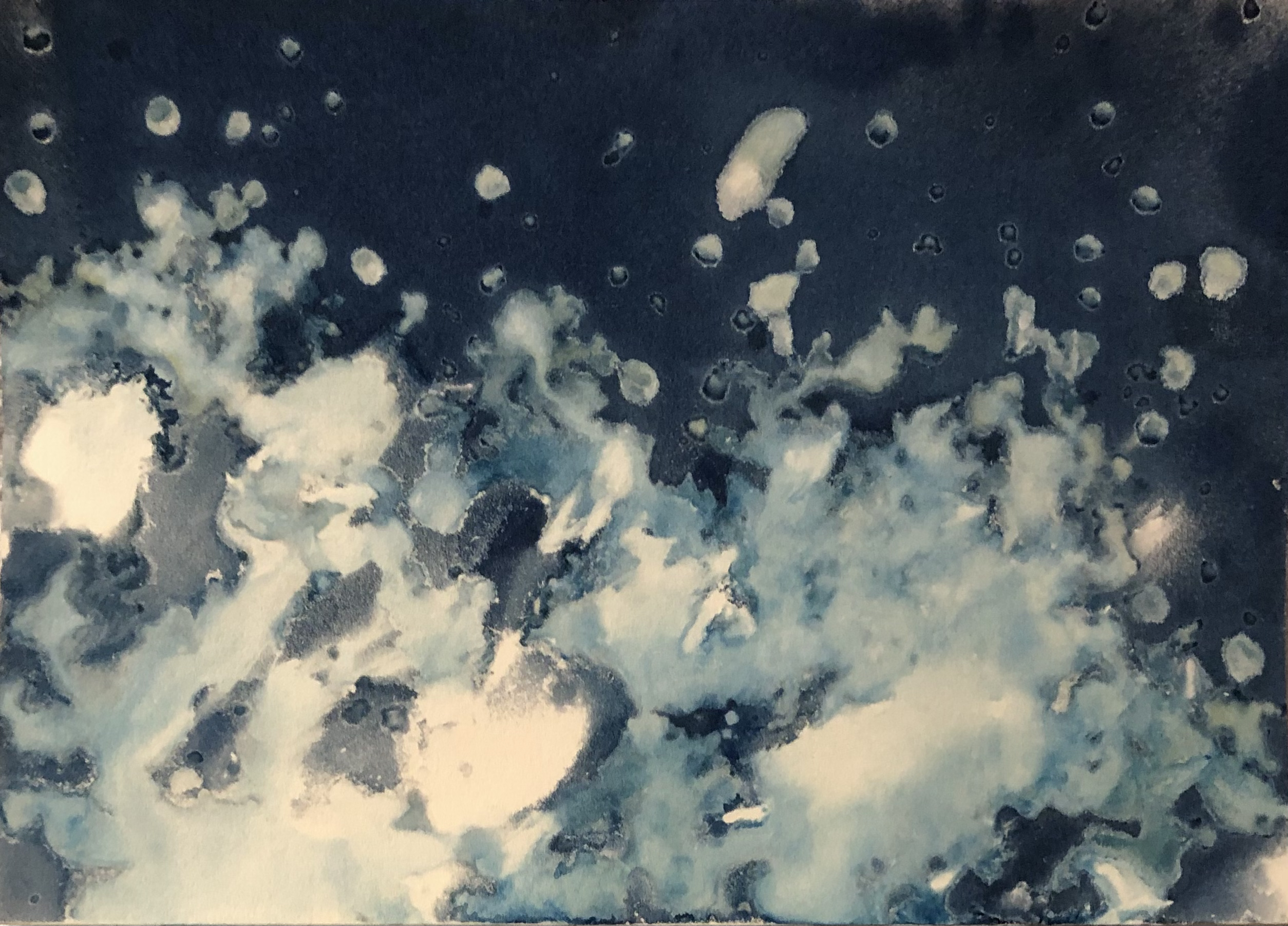
Learn the easy historic process of Cyanotype printing. Non-toxic chemistry, and an easy camera-less work flow makes this a great class for people of all ages. Short workshops offered at $50/hr. Classes taught by Laura Cofrin, in her darkroom at Artworks Center of Contemporary Art, in downtown Loveland, Colorado.
Renewal of this Site
After a long break, this site will be revived to focus on the Photography Workshops offered by Laura Cofrin at Valhall Arts. Classes will be held at Artworks Center for Contemporary Art, in Loveland, Colorado.
Historic dark room printing, pinhole photography, cyanotype and wetplate collodion processes offered. Starting at $200 for a three hour course, you can experience the foundational practice of the the photographic arts, build your own camera, and create one of kind photographs.
Contact Laura Cofrin for more details.
laura@valhallarts.com
Notes on Collaboration
Collaboration – the action of working together with others to create something.
In my art practice, I mainly work alone. Quiet periods are needed for me to fully realize my ideas, being free from distractions when following obscure elusive ideas to a place of clear understanding. I enjoy the solitary moments in my dark room, working a print to its ultimate state of being. When considering ideas for installation projects, I am forced to learn new technology or adjust my vision to something that I can achieve with my own resources. As a modernist, I think less is more.I try to keep distractions to a minimum when creating environments, and use as few parts as needed to express my ideas.
There have been times when I have worked with other artists in curating group exhibitions, but true collaboration in the creation of an artwork is something that I have not yet done. I asked a friend, Chris Reider, who makes experimental music to provide some work for my installation, SKY HIGH, but this was more of a partnership, an invitation, and not a true ‘working together’ collaboration. The works were created separately.
That said, photography involves a certain level of collaboration between the photographer and the model or subject. This partnership is imbalanced as the photographer has a certain power over the subject, and as such has an added responsibility. A subject does have some power in this dynamic, and may be a willing or unwilling collaborator, making the photog’s job easier or harder.
I would like to collaborate with a ceramicist. I saw an artist who would take objects, and coat them with the liquid photographic emulsion, build a box around the object and make exposures through pinholes on each side of the box. The final effect was wonderful, the distortion of the pinhole camera, mixed with the variable contours of the object upon which the image landed, created something truly unique. This idea runs right along with my experimental creative practice, using old materials and methods in new ways to produce contemporary art objects.
How do artists find engineers willing to help them with their vision? Is this an opportunity that is out of reach for all except an established and successful artist? Are there residencies that promote the collaboration between these two disciplines, art and engineering? There should be, as the collaboration is beneficial to all.
 Cofrin Contemporary