Pinhole Photography Workshops
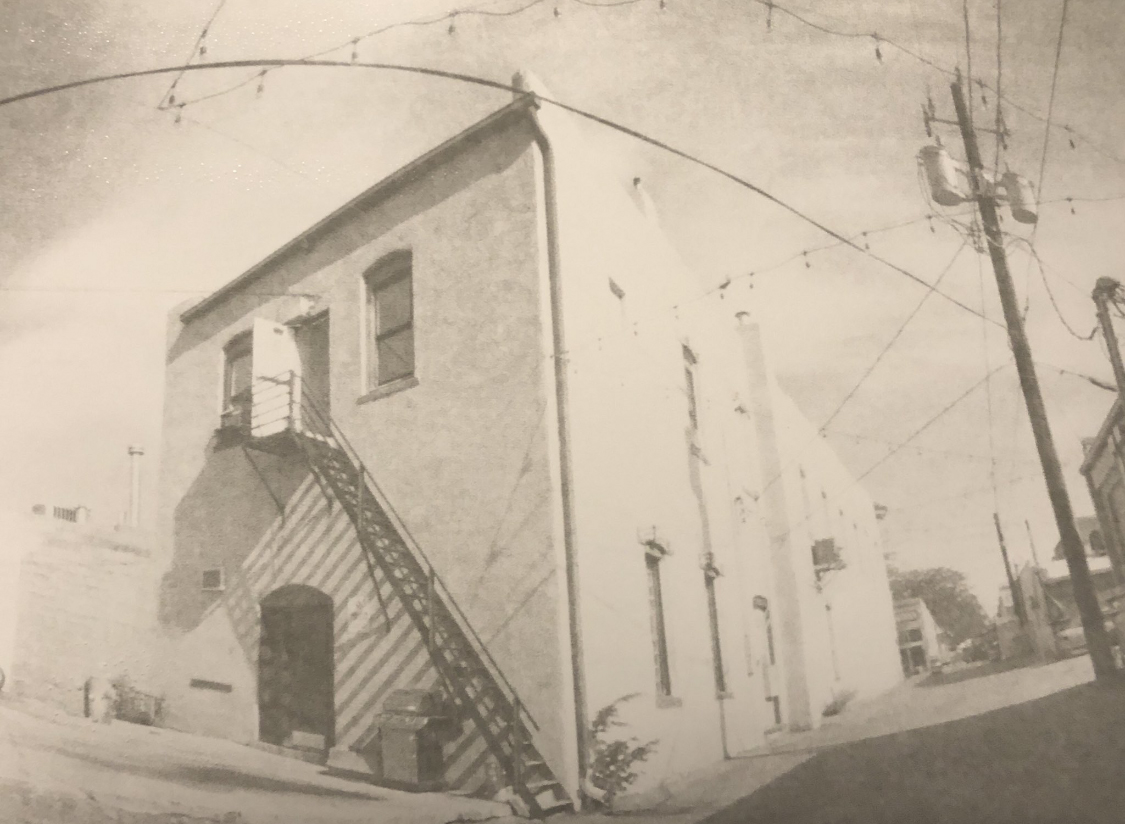
Build your own camera using simple materials. Capture and develop surprising photographs with this lens-less process. Working in a classic photographic darkroom, create paper negatives, and contact print the positive photograph. Direct positive papers offered, (as shown in the image, by Laura Cofrin, 2020), as well as other experimental options. Contact the studio for more information.
Cyanotype Workshop
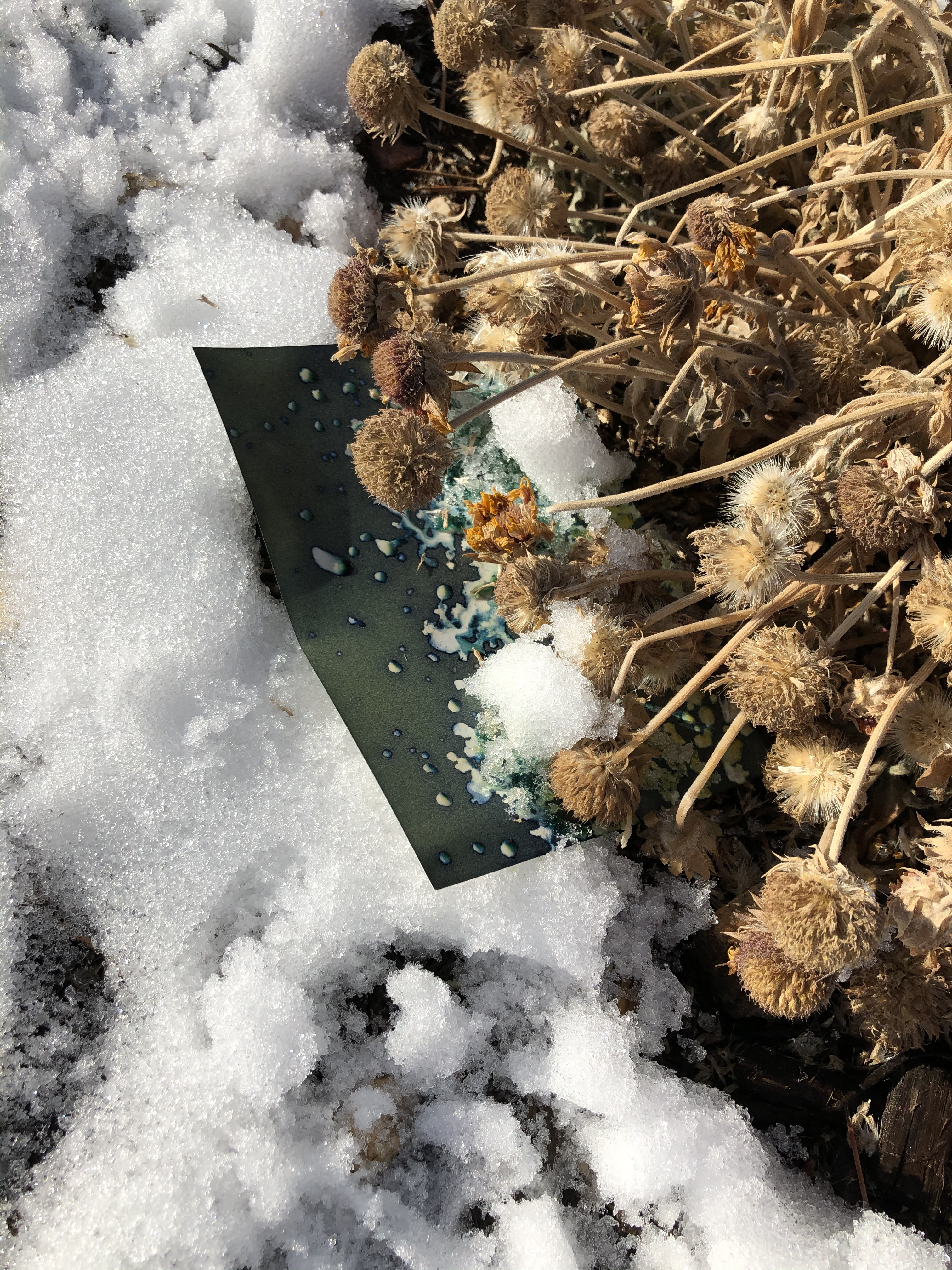
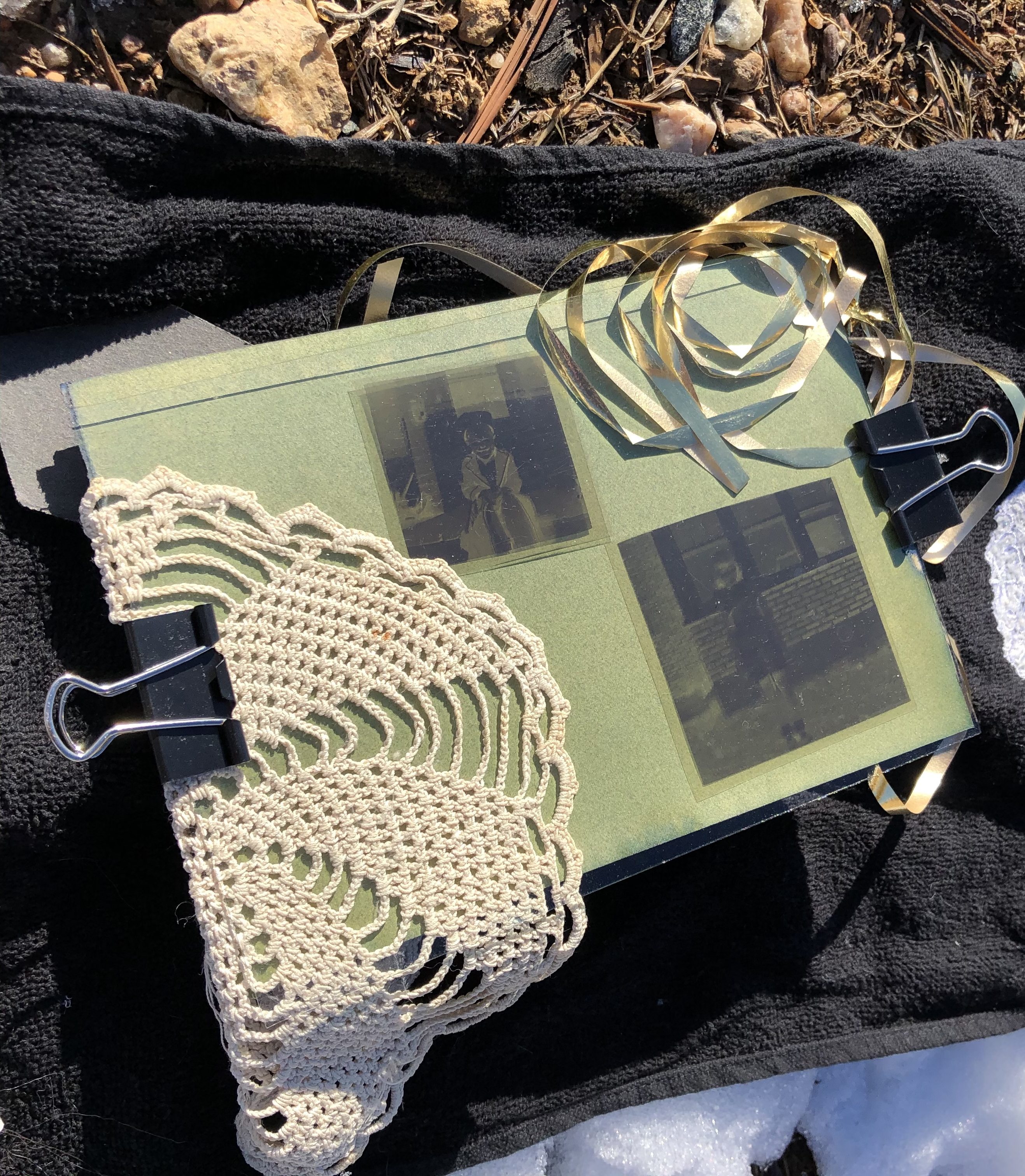
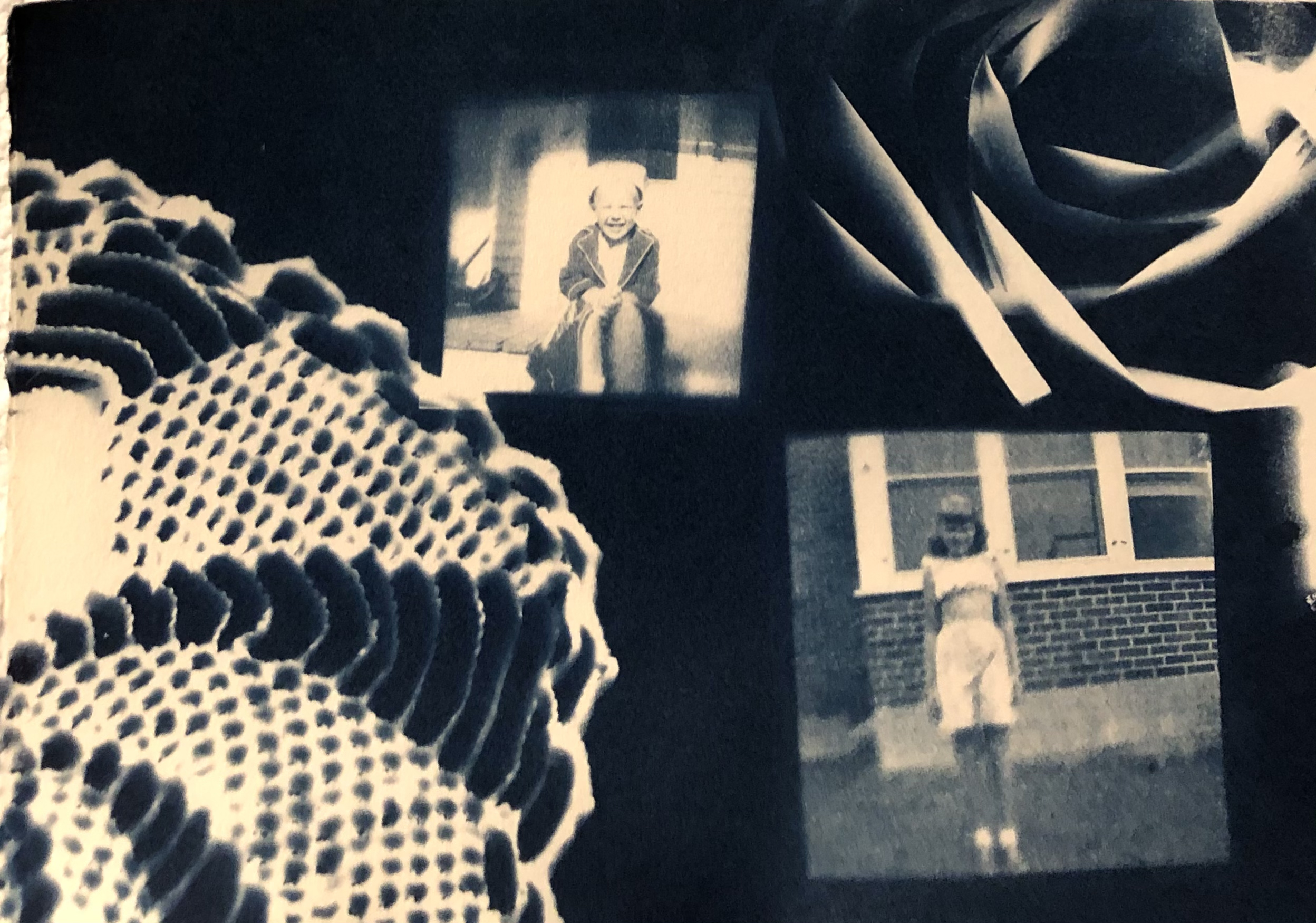
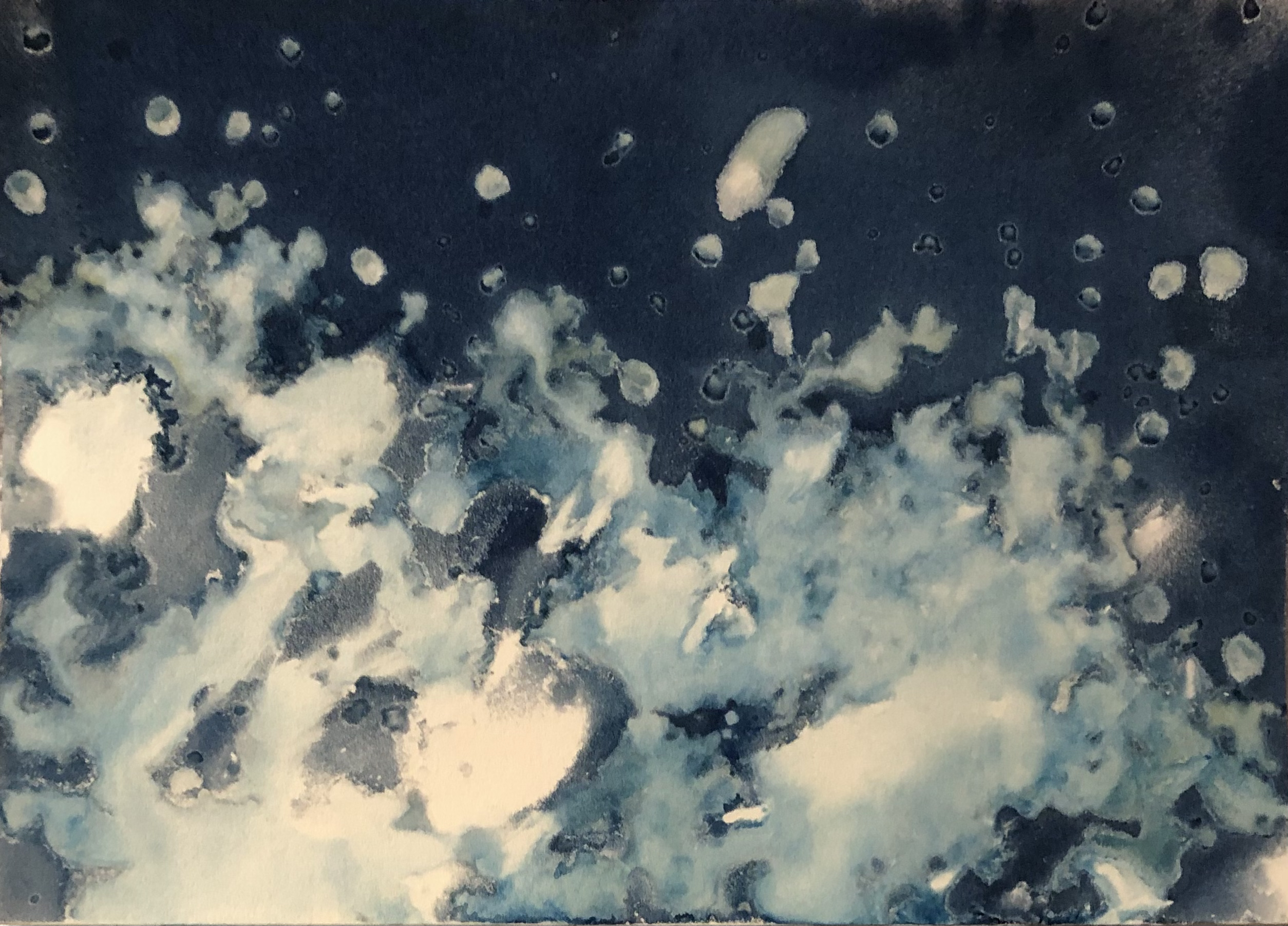
Learn the easy historic process of Cyanotype printing. Non-toxic chemistry, and an easy camera-less work flow makes this a great class for people of all ages. Short workshops offered at $50/hr. Classes taught by Laura Cofrin, in her darkroom at Artworks Center of Contemporary Art, in downtown Loveland, Colorado.
Renewal of this Site
After a long break, this site will be revived to focus on the Photography Workshops offered by Laura Cofrin at Valhall Arts. Classes will be held at Artworks Center for Contemporary Art, in Loveland, Colorado.
Historic dark room printing, pinhole photography, cyanotype and wetplate collodion processes offered. Starting at $200 for a three hour course, you can experience the foundational practice of the the photographic arts, build your own camera, and create one of kind photographs.
Contact Laura Cofrin for more details.
laura@valhallarts.com
The Collective Narrative and the Web
What is the collective narrative, and how is it utilized over the digital platforms of blogs, facebook, twitter, instagram and the like?
I have a blog. I have several blogs. I am also on Facebook and Twitter, and Instagram, Tumblr, Pinterest among others, although I use those less often. At times it seems completely overwhelming trying to manage all these different sites, (I counted once and had almost 20). I often wonder why I do it. As an artist I use the blogs to share my process and work with the world. A deeper look into my art, with more personal details than offered on the gallery website. It is also a journal of sorts, documenting my progression through my career. But is it a true connection? Am I really reaching my audience? The lack of involvement from the audience is disheartening. The comments are few and far between, and rarely a stimulating interaction with true exchange of ideas. So how does one find this connection online?
Twitter would be the main venue for my digital communications, and in my opinion this site is the most responsive in a real human way. I have had some good, although brief, conversations with others in the art world. The interactions have a “real time” element, and an interaction can happen as an event is ongoing, there is a real dialogue. The connection is a superficial one at best, but with further efforts by the individuals communicating, it is possible to expand it to a greater collective narrative. This motivation must come from the participants and is counter to the normal operating procedure found on the web. The culture is one of brief “drive by’s”, following click after click, as we follow that which draws our attentions.
An example of an attempt to create a collective narrative is an installation and art happening I created in February of 2010. The project, “pinching the light fantastic”, involved video, recordings and projections, surveillance, mirrors and bounced light. The entire experimental work was streamed live via Ustream, with live tweeting, and the work was about the differences between active looking and passive seeing, watching and being seen. The audience was an integral part of the work, but their cognition of the collaboration was only recognized if they read the didactics and understood the project. Many realizing they were being surveiled quickly left the space, and were reluctant to engage.
Another example of a collective narrative that I created in a project was my installation “Public Practice”. The installation happened in the real world, and featured the blank gallery walls littered with bits of writing, and doodles from my journals, drawings, photos and other ephemera from my studio, as well as a looping abstract video collage. The space included a vintage typewriter where visitors were encouraged to add their thoughts to the walls. The conversations started with this historic object were hysterical and eye opening, with the younger Gen-X viewers completely unfamiliar with the machine, one viewer even asking “where was the return button”! The last detail in the space was a digital photo booth I had set up to gather portraits of people in my community for future project, “Public Portrait”. The laughter that came from the booth drifted across the space, mixing with the clack of the typewriter, and conversations, as the audience engaged and participated in the project. The engagement from the audience was by far the most of any project I have done. Being able to talk to the artist and others in the gallery space, to touch the objects, and even contribute to the ongoing project engaged the audience on such a deeper level, that the impact was tremendous. I still receive comments from folks who remember this project.
So can a true collective narrative happen online? Only if those involved make a concerted effort to have a timely engagement. This MoMA Catalyst class is a great example of active participants trying to change this online disconnection, and I encourage you to follow those other blogs I follow to continue the conversation. And please, leave your comments below. I will respond! Thanks, Laura
Notes on Collaboration
Collaboration – the action of working together with others to create something.
In my art practice, I mainly work alone. Quiet periods are needed for me to fully realize my ideas, being free from distractions when following obscure elusive ideas to a place of clear understanding. I enjoy the solitary moments in my dark room, working a print to its ultimate state of being. When considering ideas for installation projects, I am forced to learn new technology or adjust my vision to something that I can achieve with my own resources. As a modernist, I think less is more.I try to keep distractions to a minimum when creating environments, and use as few parts as needed to express my ideas.
There have been times when I have worked with other artists in curating group exhibitions, but true collaboration in the creation of an artwork is something that I have not yet done. I asked a friend, Chris Reider, who makes experimental music to provide some work for my installation, SKY HIGH, but this was more of a partnership, an invitation, and not a true ‘working together’ collaboration. The works were created separately.
That said, photography involves a certain level of collaboration between the photographer and the model or subject. This partnership is imbalanced as the photographer has a certain power over the subject, and as such has an added responsibility. A subject does have some power in this dynamic, and may be a willing or unwilling collaborator, making the photog’s job easier or harder.
I would like to collaborate with a ceramicist. I saw an artist who would take objects, and coat them with the liquid photographic emulsion, build a box around the object and make exposures through pinholes on each side of the box. The final effect was wonderful, the distortion of the pinhole camera, mixed with the variable contours of the object upon which the image landed, created something truly unique. This idea runs right along with my experimental creative practice, using old materials and methods in new ways to produce contemporary art objects.
How do artists find engineers willing to help them with their vision? Is this an opportunity that is out of reach for all except an established and successful artist? Are there residencies that promote the collaboration between these two disciplines, art and engineering? There should be, as the collaboration is beneficial to all.
New Blog for the MoMA Catalyst class
Test, Test, Test.
Do not refresh your screen, this is all there is.


 Cofrin Contemporary